
Reflective Teens Trust Collaborates with Dartmouth Center for Social Impact; Azneef Returns to Advance ChalkPad AI
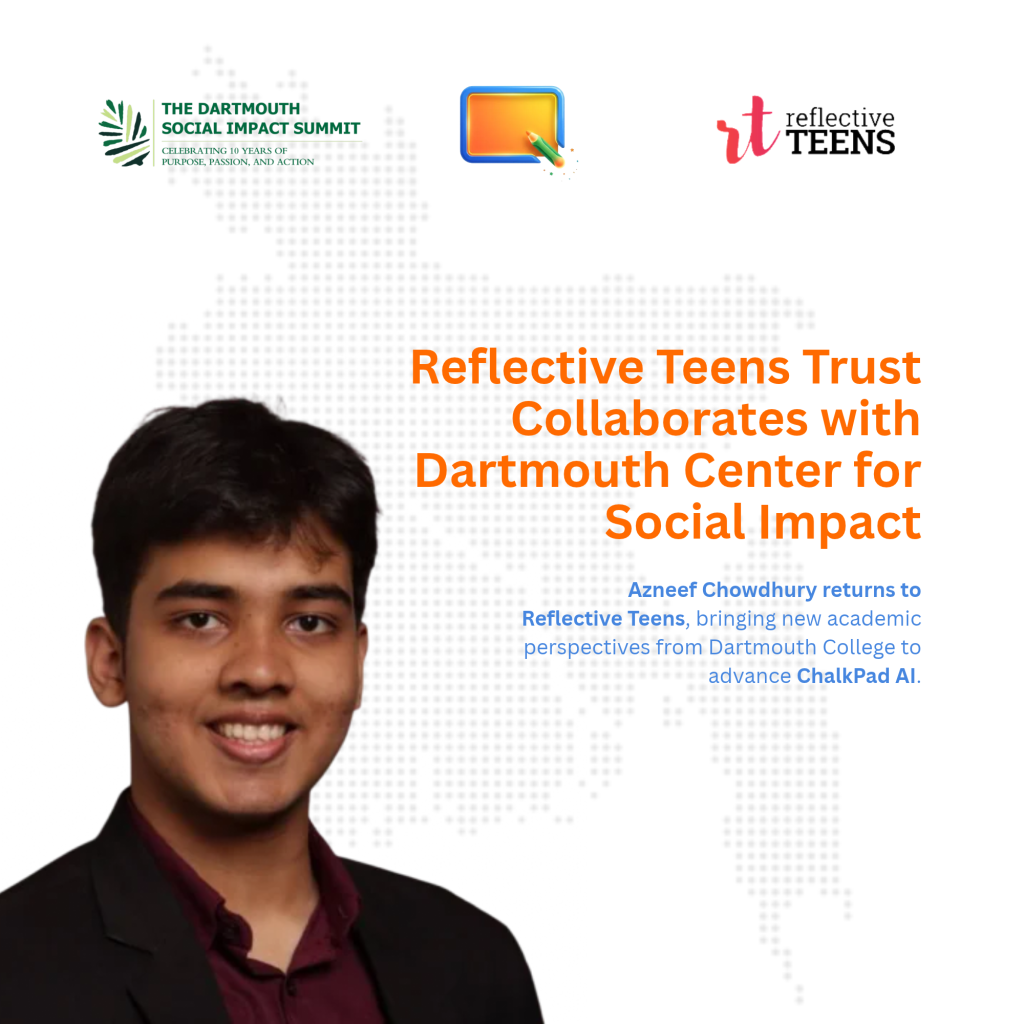
Reflective Teens Trust is pleased to announce a collaboration with the Dartmouth Center for Social Impact to strengthen technology-driven approaches to addressing educational challenges in Bangladesh. As part of this collaboration, Azneef Chowdhury, an Economics and Quantitative Social Science student at Dartmouth College, will return to Bangladesh this winter to work alongside the Reflective Teens team. The engagement carries particular significance for Reflective Teens. Azneef was previously involved with the organisation before pursuing his higher education at Dartmouth College. His return represents a continuation of that relationship, bringing new academic experiences and perspectives to the organisation’s ongoing work in education and technology. During his engagement, Azneef will contribute to the development of ChalkPad AI, a product of Reflective Teens Trust. His work will focus on understanding the challenges faced by teachers in rural and under-resourced schools, gathering classroom-level insights, and identifying opportunities to improve the platform based on teachers’ practical needs. ChalkPad AI is an AI-powered teaching assistant designed to support secondary school teachers with lesson planning, assessment development, question generation, and the preparation of student-friendly learning materials. The initiative aims to make AI-enabled educational support more accessible to teachers, particularly in underserved communities. Commenting on the collaboration, Yusuf Ibne Yakub Munna, Founder and Executive Director of Reflective Teens Trust, said: “It is particularly meaningful to see someone who was once part of our team return with new experiences and perspectives. We believe meaningful educational innovation requires both strong academic foundations and a close understanding of classroom realities. This collaboration offers an opportunity to bring those perspectives together and strengthen our work through ChalkPad AI.” The collaboration reflects a shared interest in connecting academic engagement with community-driven solutions. Reflective Teens Trust looks forward to working with the Dartmouth Center for Social Impact and exploring further opportunities to advance inclusive and accessible education in Bangladesh. About Reflective Teens Trust Founded in 2013, Reflective Teens Trust is a Bangladesh-based organisation working at the intersection of education, technology, youth development, and social innovation. Through its programmes and partnerships, the organisation works to expand opportunities for underserved communities and develop practical solutions to persistent social challenges. About ChalkPad AI ChalkPad AI is a product of Reflective Teens Trust designed to support teachers in underserved schools through artificial intelligence. The platform assists with lesson preparation, assessments, question generation, and the development of engaging learning materials, with a focus on making teachers’ work more effective and accessible.
Does every child in Dhaka have a safe place to play?
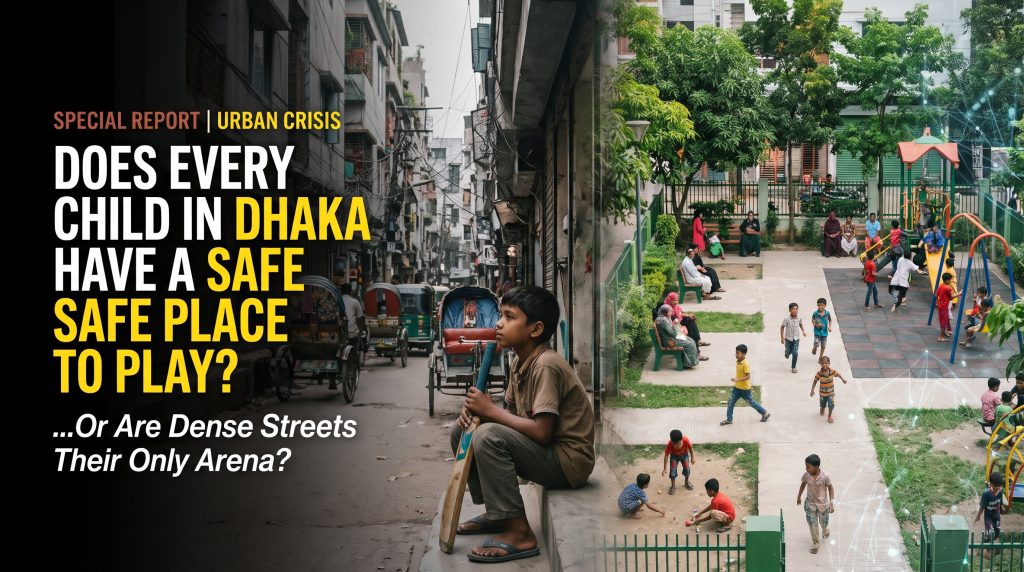
The act of playing is significant to children’s lives. It gives children opportunities to exercise, make friends, learn about creativity and problem-solving. However, opportunities for play in places where it is safe and accessible are increasingly scarce in dense urban areas like Dhaka. In 2026, Development Policy Centre published an article, where it is reported that only 0.9% of Dhaka’s land are open spaces. It also finds that 36% of children in a study of 403 children aged 8-18 in selected neighbourhoods – both planned and unplanned – indicated that they had a park within a 10-15 minute walking distance from home. The results indicate that there is a critical issue in urban areas: kids require opportunities to play, and where they reside, they might not be able to. Playgrounds are not just for recreation. Children benefit from physical activity in supporting health and also benefit from playing with others in their ability to communicate, co-operate and problem solve. Children may spend more time indoors or in front of a screen if they can’t access safe outdoor areas. Children that play in busy streets or other unsafe areas may also be at risk of traffic injury. This disproportionately impacts children who live in neighbourhoods with scarce public facilities, large population densities and in low-income unplanned settlements, where there is little land available. Where parks are unsafe or social expectations limit girls’ outdoor activity, there are further barriers to overcome. Play areas also can be a barrier to children with disabilities because of the lack of accessible entrances, appropriate play equipment and safe pathways. Younger children require age-appropriate spaces and older children and teens require places for sports, exercise and social interaction. The Dhaka study shows that distance is not the only factor when it comes to access to parks. Safety and accessibility, and public space quality, also play a role. Children may have access to a park but not be able to use it due to traffic, lack of lighting, lack of equipment or limitations on play. Sustainable Development Goal 11 promotes green and public spaces for all, including children, older people and persons with disabilities, inclusive, safe and accessible. Children’s daily needs should be taken into account in urban planning instead of viewing playgrounds as optional. Rapid urbanisation, high population density and competing demands for land are the reasons. Space is required for homes, transportation, commercial and other facilities. If urbanizing activities do not make room for recreation, there is a risk that playgrounds could be neglected. Even if there’s a park there, it may not be well maintained, lit or have equipment, toilets and drinking water for people with disabilities. A lack of public funding and not consulting with children and families can exacerbate the issue. As opportunities for play continue to diminish children may not have opportunities to engage in physical activity, friendship and independent exploration through safe play spaces. They might be exposed to traffic and other risks from unsafe alternatives. Differences over time may result in disparities between children living in well-planned neighbourhoods and children living in crowded neighbourhoods with respect to recreational facilities. City officials need to preserve existing playgrounds, and develop new public spaces and enhance safety and access to parks. Children’s needs should be taken into consideration during the initial stages of urban planning, including for younger children and children with disabilities, and especially for girls. For schools and communities with restrictions on available space, it is worth looking at smaller safe play spaces in appropriate unused space. School corridors and other suitable surfaces can be modified to accommodate active games provided there are no issues with safety, access or supervision. An example is Reflective Teens’ Classroom Sidewalk Game Project, a project involving colourful games and markings to provide play opportunities in school spaces. It has a replication status of over 25 schools and more than 50,000 students in its HundrED innovation profile. These are reported on by the innovation profile and not independently verified impact figures. These methods can be used alongside, but in no way substitute for the provision of permanent, public and accessible playgrounds. Children had the right to rest, recreation and play. Dhaka is constantly expanding and preserving space for children needs to be incorporated into responsible urban development. It is important that governments, schools, communities and planners collaborate to ensure that every child has a safe place to play, irrespective of their location and family income. References: Azad, R., Rahman, S., & Uddin, G. (2026, September 7). Safe, playable and accessible? Children’s marginalisation from city spaces. Development Policy Centre, https://devpolicy.org/safe-playable-and-accessible-childrens-exclusion-from-urban-public-spaces-20260907/ United Nations. (n.d.). Goal 11: Sustainable cities and communities. www.sdgs.un.org/goal11 HundrED. (2023). Sidewalk Game Project in the classroom. https://hundred.org/en/innovations/classroom-sidewalk-game-project
Can children learn well without access to healthy food?
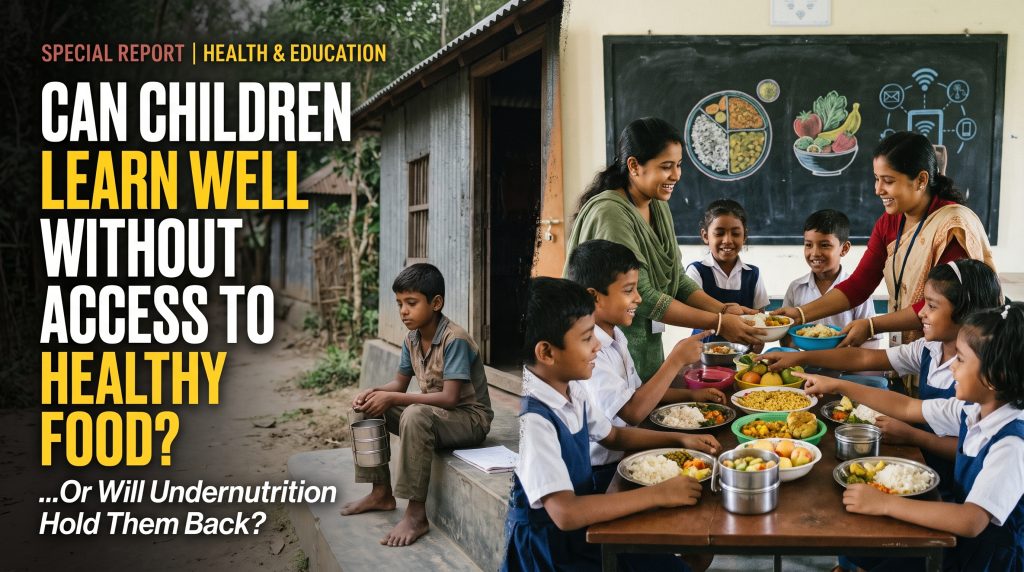
Nutrition is critical for kids’ growth, concentration and learning. Many children, however, have barriers to access to a balanced diet. There is a situation of undernutrition in the country, as well as unhealthy food environments in Bangladesh, such as poverty where nutritious foods might be inaccessible. UNICEF’s Bangladesh MICS 2025 reports that one-quarter (24%) of children under 5 are too short for their age – stunted as a result of chronic or recurrent undernutrition. This is an indicator for young children not for school going children, but indicates the broad nutrition issues among children in Bangladesh. Eating right isn’t as simple as getting enough food for school-age kids. It also has to do with the diversity, quality and prices of the food they are taking. Children must have healthy eating habits to support growth and to be able to move around and engage in classroom activities. Hunger and a poor quality diet will make concentration difficult and may hinder physical growth and health. Chronic forms of undernutrition and micronutrient deficiencies have long term effects on development. Diets high in salt, sugar and/or unhealthy fats also can result in poor health over time. Children in low-income families are especially at risk due to food costs and financial strain on their families. Children attending the schools may also have the opportunity to access more packaged snack items than fresh fruit or vegetables in close proximity to their schools. If a child already has a nutritional issue with may require further help from families, school or health professionals. School food environment in Bangladesh are mentioned in UNICEF Child Nutrition Report 2025. 61% of adolescents surveyed reported that there was packaged snacks available in their school food environment and 49% that there was fresh vegetables and/or fresh fruits available. These findings indicate the presence of less healthy products in settings compared to more healthy products. The results from UNICEF’s MICS 2025 also show that 64.8% of children from 6-23 months were in child food poverty, that is, they had less than adequate dietary diversity. This is for infants and toddlers but does provide an idea of the magnitude of dietary problems for young children. This is due to the poverty level among households; high food prices; and poor nutrition awareness and the equal access to a healthy diet. Some parents might know how important it is to feed their kids healthy meals, but may not have the financial resources or time to make healthy meals on a frequent basis. The schools might not have any formal nutrition programmes, healthy pricing on food offered in school, or food standards guidelines. If not intervened, children will persist in having poor nutrition and poor nutritional status. These issues can have impacts on health, development and full participation to school. The poor nutrition habits that are formed during childhood can persist into adulthood, which can lead to future health troubles. A comprehensive strategy is required to ensure that schools enable healthy eating, and that it makes sense and is easy to carry out. Nutrition education, access to safe drinking water, and better school food environments and school affordable nutrition are included. Schools should collaborate with parents, health care providers and food services to reduce the work involved in making healthy options a reality. Interactive learning can help children in practical understanding of nutrition. As an example, NutriFun being developed under the Reflective Teens programme can be of great relevance, offering a proposed 45-minute session for Classes 4 and 5, comprising a presentation, questions and answers, discussion on healthy-tiffins and the tasting of food, followed by a quiz. While nutrition awareness sessions can be effective for children to make a link between nutrition and the choices they make every day, it is important that these do not take priority over providing access to healthy foods. All children should have the chance to grow, learn and be healthy. Enabling children to eat well in school is more than communicating nutrition information; it’s enabling access to and affordability of healthier food options. With a combination of education and support and better school environments, Bangladesh can begin to make steps towards improving the health and education for children. Reference Bangladesh data on the situation of children, UNICEF Bangladesh https://www.unicef.org/bangladesh/en/data-situation-children-bangladesh 2. UNICEF Child Nutrition Report 2025: Feeding Profit: How Food Environments are failing Children https://www.unicef.org/media/174091/file This is the Bangladesh Multiple Indicator Cluster Survey (MICS) 2025 Final Report. https://www.unicef.org/bangladesh/en/reports/bangladesh-multiple-indicator-cluster-survey-2025-0
Can AI close Bangladesh’s learning gap, or leave some children behind?
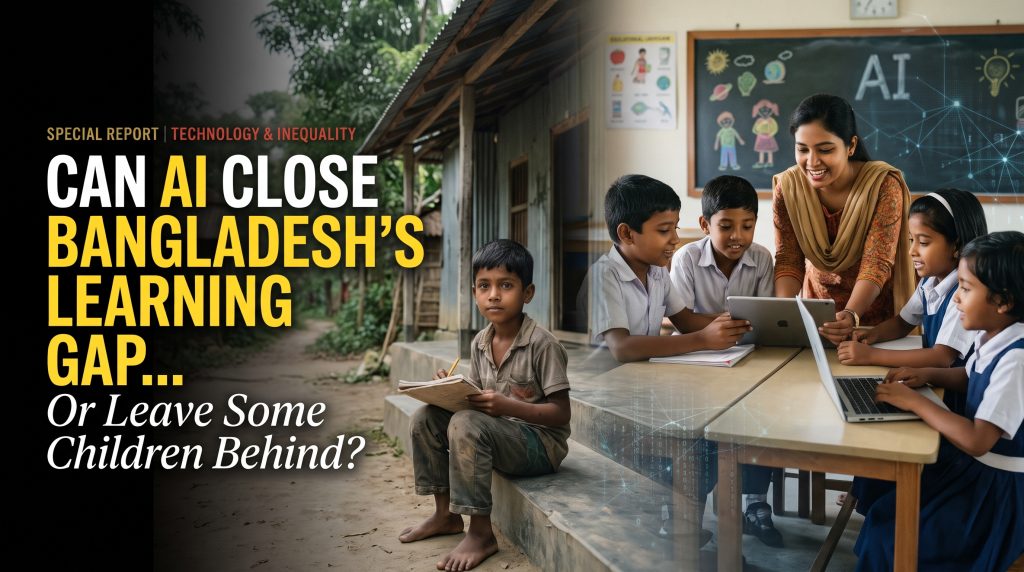
Artificial intelligence (AI) is reshaping the way in which information is accessed, learned and taught. Teachers can use AI tools to create quizzes for students and to explain difficult topics in the lessons. But for all pupils and teachers, that advantage of technology is not equal. In Bangladesh, the problem is not just about bringing AI into the classrooms, but also giving children a good education in the first place. According to the Multiple Indicator Cluster Surveys (MICS) 2025 conducted by UNICEF in Bangladesh, the statistical figures for children aged 7-14 show that the proportion of children who can read with foundational skills is 50.2% and the proportion of children who have foundational numeracy skills is 39.2%. Many children have problems with basic learning during their school years, as these figures indicate. Although AI might help commemorate these challenges, restricted access to technology might further push disadvantaged students out of the picture. The value of education is important in equipping children with knowledge and skills to engage in society and carve out their future. Students can have trouble understanding lower-level concepts which can make it hard to keep with the concepts in the higher level. AI can provide further explanations, practice exercises and learning material. It can also be used as a support to design lessons at various learning levels. But in AI-generated information, there might be false information about that child or information that is not appropriate for them or that they do not and cannot understand. Relying on without proper supervision can establish new learning issues rather than resolving existing issues. The maintenance of school attendance, especially for students in low-income families, rural schools and under resourceful schools, can be the most challenging. Others don’t have their own personal devices, access to the internet, or a noiseless study area. For teachers who are assigned to large classes, they may also not have enough time to work on individual students. With children already having difficulty reading and/or doing math, there is a need to provide them support not just access to new technology. However, UNICEF’s MICS 2025 revealed that foundational reading and numeracy are still significant issues among children in Bangladesh. The figures below show the challenge in learning that AI may be able to address but not its impact.Technically, providing Internet access is not enough to significantly improve the teaching-learning process because it is necessary to have suitable instruments, cost-effective data, and knowledge of using AI effectively. This happens because of several factors including imbalance in income of the household, lack of technical infrastructure, teacher training, school’s resources, etc. Schools also require guidance in relation to student privacy, data protection, and use of AI in an accurate and responsible manner. AI could exacerbate existing disparities if these precautions were not put in place. Left unfilled, learning gaps have the potential to let many children continue to move through school without acquiring important skills. This may impact on their future education and employment prospects. Access to digital tools is likely to provide additional benefits to learners with greater access, driving the inequality gap between privileged and disadvantaged learners even wider. Bangladesh should avail inexpensive digital infrastructure; practical AI training for teachers should be carried out and clear guidelines should be provided for responsible use of AI in classrooms. With lesson planning, assessment and differentiated learning materials. Schools will also have to make sure that children are not excluded due to a lack of a personal device. Reflective Teens’ innovation of ChalkPad AI is a relevant example. Its HundrED innovation profile details a tool to be used to develop lesson plans, quizzes and class notes in alignment with the curriculum, and reports on a pilot with over 100 teachers at Maheshkhali. The data is that of profiles and should not be construed as independently verified impact data. While AI can aid educators and enhance education, it will not resolve the inequities of the education system. Bangladesh needs to bring together all the three elements: use of AI responsibly, teachers’ development, and equitable access and evidence-based teaching. AI doesn’t just need to be integrated into classrooms; it must ensure that every child has a real opportunity to learn. Reference: UNICEF Bangladesh. (2026). Information on the situation of children in Bangladesh. https://www.unicef.org/bangladesh/en/data-situation-children-bangladesh HundrED Foundation. (2026). ChalkPad AI. https://foundation.hundred.org/en/innovations/6-chalkpad-ai
NutriFun Brings Interactive Nutrition Education to Five Schools in Dhaka
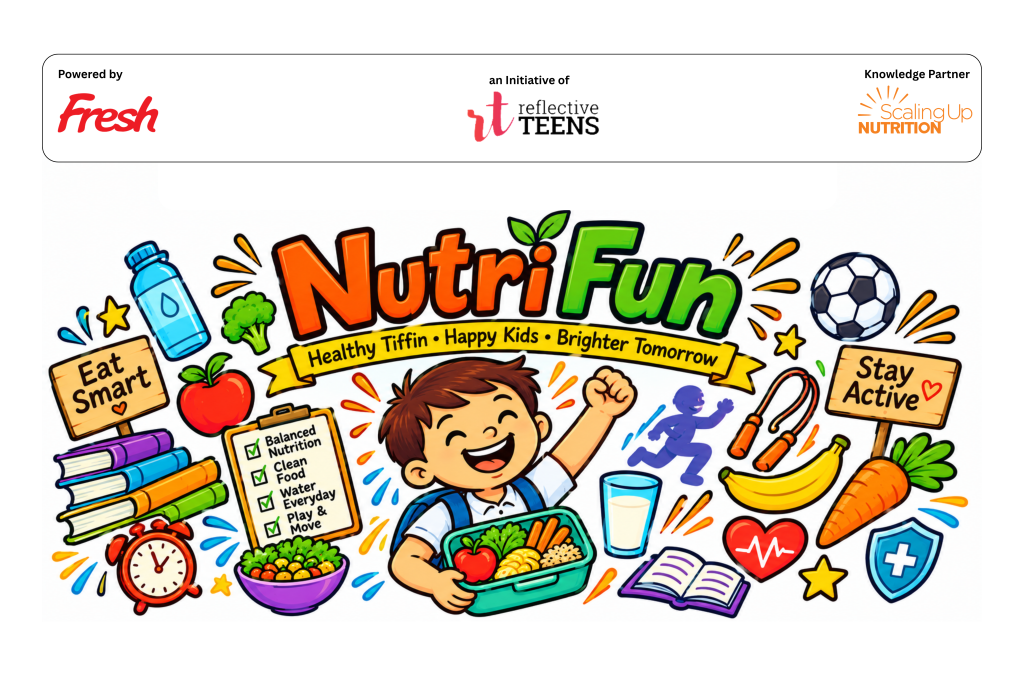
Reflective Teens Trust, in collaboration with Meghna Group of Industries (MGI), is helping schoolchildren build healthier habits through interactive learning, hands-on activities, and personal health awareness. Reflective Teens Trust (RT), in collaboration with Meghna Group of Industries (MGI), is implementing NutriFun, a school-based initiative designed to make nutrition education engaging, practical, and relevant to children’s everyday lives. The programme began at Riverie School and is expanding across five schools in Dhaka, introducing students to the importance of balanced nutrition and informed food choices through an engaging, student-centred approach. How NutriFun Works NutriFun follows a three-part approach that connects knowledge with practical experience and personal reflection. 1. Interactive Learning Session Each programme begins with an interactive session introducing students to nutrition, balanced diets, healthy food choices, and the importance of a healthy lifestyle. Students are encouraged to participate and relate these concepts to their everyday eating habits. 2. Hands-on Learning Experience Students participate in practical activities that help them apply what they have learned. This approach makes nutrition education more tangible and encourages active engagement beyond conventional classroom instruction. 3. Personal Health Awareness Through BMI Cards Each student receives an individual BMI (Body Mass Index) card to support awareness of their health status and encourage healthier lifestyle choices. The cards serve as a tool for personal reflection and help students understand the importance of maintaining healthy habits. BMI in children should be interpreted according to age and sex, ideally with guidance from a qualified health professional. The cards are intended to promote health awareness, not to label or stigmatize students. Building Healthier Habits, One School at a Time By combining interactive sessions, practical activities, and personal health-awareness tools, NutriFun aims to help children translate nutrition knowledge into everyday behaviour. The initiative provides an opportunity to introduce healthy eating concepts during the formative school years and encourage students to make more informed choices. A Partnership for Children’s Well-being Reflective Teens Trust extends its sincere gratitude to Meghna Group of Industries (MGI) for partnering with us to bring NutriFun to schoolchildren. This collaboration helps make nutrition education more accessible and engaging for young learners. We believe every child deserves the knowledge and tools to make informed decisions about their health. With implementation underway across five schools in Dhaka, NutriFun is just getting started. More schools, more students, and more opportunities to make nutrition education fun.
Reflective Teens Trust Concludes Trial of ‘A Thinking Society’ Curriculum
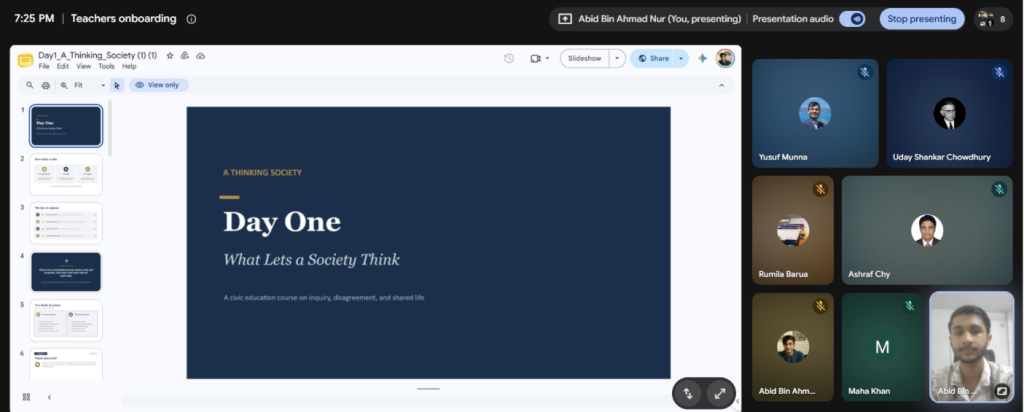
350 students and five instructors participated in the pilot initiative, implemented in collaboration with the University of Liberal Arts Bangladesh (ULAB) and funded by the U.S. Department of State. Reflective Teens Trust (RT), in collaboration with the University of Liberal Arts Bangladesh (ULAB), has successfully concluded a trial implementation of A Thinking Society, a curriculum designed to promote critical thinking and reflective learning among students. The initiative was implemented across five educational institutions: St. Placid’s School, Chattogram; Kusumkumari School, Chattogram; Chittagong Government High School; Lord’s School, Uttara, Dhaka; and the University of Chittagong. A total of 350 students and five instructors participated in the pilot. As part of the initiative, RT Project Coordinator Abid Bin Ahmed led the training of instructors to prepare them to facilitate the curriculum. The trained instructors were Uday Chowdhury, Rumaila Barua, Maha Khan, and Ashfaq Chowdhury. The training aimed to equip instructors with the preparation needed to deliver the curriculum and facilitate learning activities in participating institutions. By preparing educators to implement the curriculum, the initiative sought to support a learning environment that encourages students to engage with ideas, examine perspectives, and develop independent thinking. The pilot brought A Thinking Society into five educational settings across Chattogram and Dhaka, including schools and a university. This provided an opportunity to trial the curriculum with students from different academic environments and explore its implementation across institutional contexts. The participation of 350 students represents an important step in assessing the feasibility of introducing structured, reflective learning experiences within educational institutions. The pilot also established an opportunity for instructors and implementing partners to gain practical experience with the curriculum. The initiative reflects a shared commitment by Reflective Teens Trust and ULAB to explore approaches that enrich students’ learning experiences. With funding from the U.S. Department of State, the collaboration brought together institutional partnerships, instructor preparation, and student participation to test the curriculum in practice. As the trial concludes, the experience provides a foundation for reflection on the implementation process and consideration of potential opportunities to strengthen and expand the approach in the future. Reflective Teens Trust remains committed to developing and testing educational initiatives that help young people become thoughtful, engaged, and independent learners.
Engagement with EU Delegation on Technology-Driven Solutions to Reduce Learning Gaps
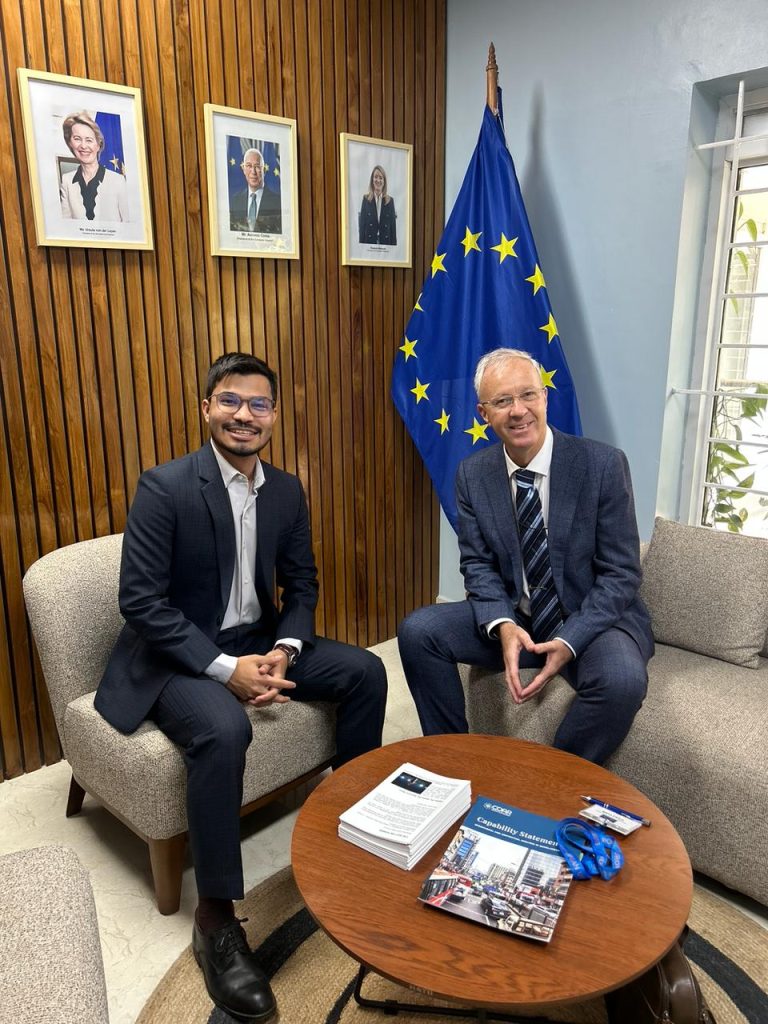
On the sidelines of the TVET/Skills Development Partners’ Working Group general meeting, our Executive Director Mr. Yusuf had the opportunity to engage with Dr. Michal Krejza, Head of Cooperation at the EU Delegation to Bangladesh. The discussion focused on reducing learning gaps and advancing skills development through technological interventions, with an emphasis on cost-efficient and easily scalable solutions. Our team shared ongoing innovations being designed and tested to support under-resourced education systems. The meeting brought together development partners including GAC, FCDO, UNESCO, ILO, UNFPA, among others, reinforcing a shared commitment to collaborative action for educational equity and future-ready skills.
Reflective Teens Trust Hosts “Goals for Education” to Mark International Day of Education
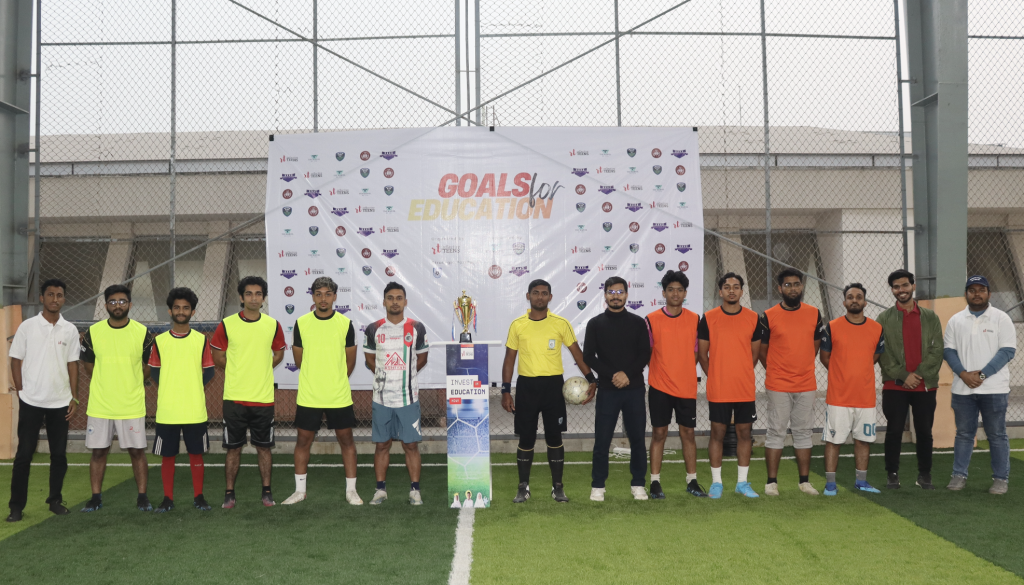
Dhaka, 24 January — Organized by Reflective Teens Trust, Goals for Education was successfully held today, bringing together national team footballers across different age levels—Sanjay Karim, Mohammed Karim, Ashik Rahman, Anik Rahman, and Tawhidul Alam Sabuz—alongside leading influencers and representatives from diplomatic missions for a purpose-driven friendly football match in celebration of the International Day of Education. Reflective Teens Trust extends its heartfelt appreciation to all players, participants, supporters, and attendees who stood together to champion education as a fundamental right. Special thanks are extended to the event partners—D-Box Sports Complex, NSU Sports Club, Kiva Han, and Marvel Be You—for their generous support and collaboration, which were instrumental in making Goals for Education a meaningful and impactful initiative. Through initiatives like Goals for Education, Reflective Teens Trust continues to harness the power of sports, youth leadership, and community engagement to drive positive social change and strengthen the call for investing in education.
National Youth Townhall Held in Dhaka to Present Youth Manifesto 2026
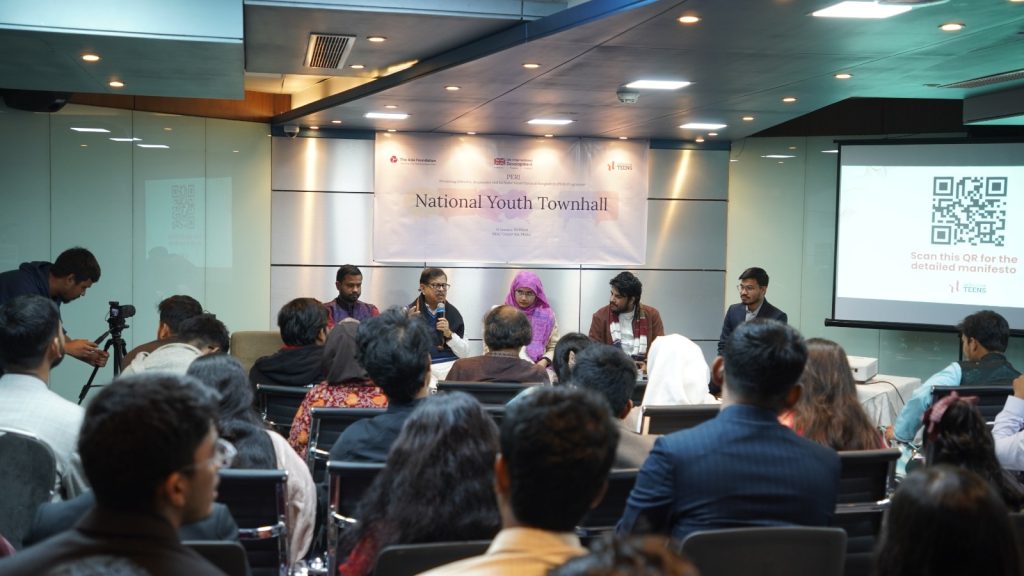
Dhaka, Bangladesh – A high-level policy dialogue titled “National Youth Townhall” was held at BRAC Centre Inn, Dhaka, bringing together prominent political leaders, civil society representatives, and young citizens from across the country to discuss the future of Bangladesh’s youth and formally present the Youth Manifesto 2026. The event was organized by Reflective Teens Trust, supported by The Asia Foundation, and funded by the UK Foreign, Commonwealth and Development Office (FCDO). Throughout the discussion, speakers repeatedly returned to one central concern: politics is becoming increasingly disconnected from the realities of young people. They spoke about the growing pressure, harassment, and digital abuse faced by youth – especially young women – and described the mental health crisis as a silent emergency that remains largely unaddressed. The conversation also focused on an education system that produces degrees but not skills, and on how the erosion of merit-based opportunities is fueling frustration and distrust. Several speakers warned that young people are no longer moved by slogans or symbolic gestures, and that unless politics shifts toward real accountability, practical reform, and leaders who are present in the field, the gap between citizens and the state will continue to widen. The Townhall was attended by Mahmudur Rahman Manna (President, Nagorik Oikya), Dr. SM Khaliduzzaman (President, National Doctors Forum & Parliamentary Candidate, Dhaka-17), Samantha Sharmin (Senior Joint Convener, NCP), Hasan Al Mamun (General Secretary, Gono Odhikar Parishad), Ali Ahsan Zonaed (Convener, UP Bangladesh), Barrister Shahedul Azam (Organizing Secretary, National Democratic Movement) and alongside a large number of young participants from different backgrounds. The town hall was convened by Yusuf Munna, Executive Director of Reflective Teens Trust, bringing together diverse voices for dialogue and engagement. A significant number of youth participants were present in the hall and actively engaged in the discussion, questioning the political leaders on issues of governance, education, employment, political reform, and the future direction of the country. The Youth Manifesto 2026, prepared by Reflective Teens Trust through nationwide consultations, presents a five-year reform roadmap (2026–2031) structured across three phases: 0–100 days, 0–2 years, and 0–5 years. The manifesto identifies five major crisis clusters: Gender & Society Education & Employment Youth & Politics Technology Environment & Health It proposes concrete reforms including Youth Advisory Councils, participatory budgeting, a Youth Confidence Index, merit-based recruitment reforms, mental health integration into public services, campus depoliticization, and digital rights and AI governance frameworks. The Townhall concluded with a call on all political parties and electoral candidates to engage seriously with the Youth Manifesto and recognize young people not as a vote bank, but as partners in nation-building. As Bangladesh moves toward a crucial national election, the National Youth Townhall marked an important step in bringing youth voices into the center of national policy and democratic debate. For enquiries: +8801601916039 / reflectiveteens@gmail.com
Global Shapers Chattogram Hub Meets City Mayor Shahadat
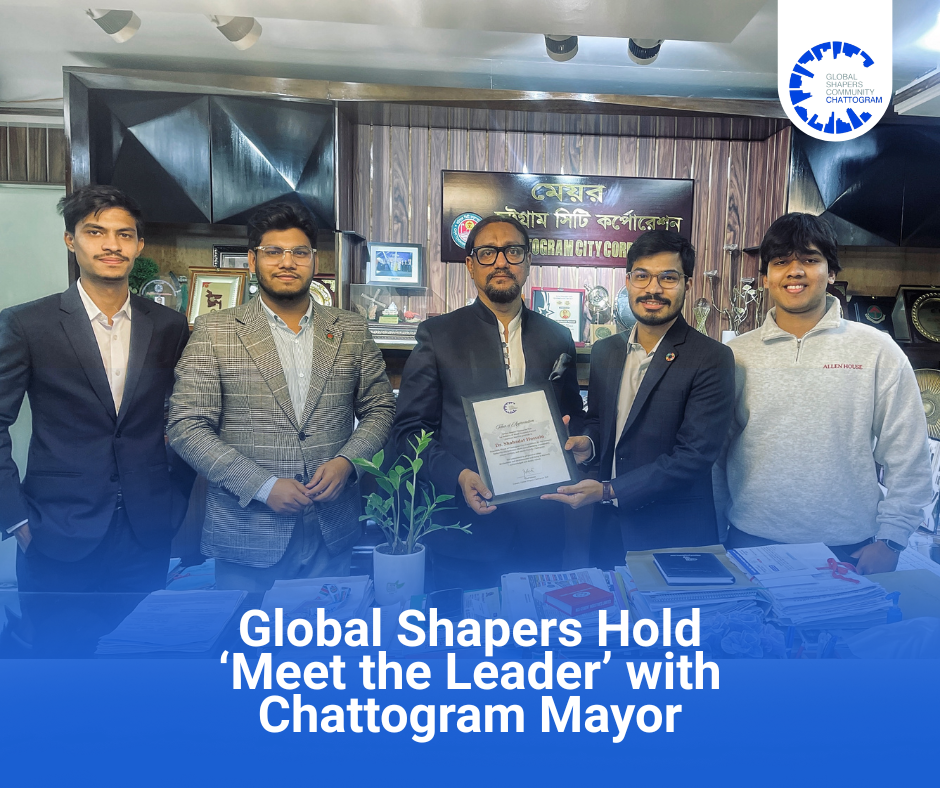
Representatives of the World Economic Forum’s Global Shapers Chattogram Hub paid a courtesy call on the Honorable Mayor at his office today as part of the Global Shapers’ global flagship initiative, Meet the Leader. During the meeting, constructive discussions were held on the potential establishment of a Skill Hub, with support from the Global Shapers, aimed at equipping students from schools under the Chattogram City Corporation with globally relevant, future-ready, and cutting-edge technological skills. The proposed initiative seeks to enhance youth employability and prepare the next generation to thrive in an increasingly digital and innovation-driven world. The Honorable Mayor shared insights into his ongoing initiatives and future plans focused on youth development in Chattogram. He also expressed keen interest in exploring meaningful areas of collaboration with the Global Shapers to further strengthen opportunities for young people across the city. The meeting was attended by Yusuf Munna, Executive Director of Reflective Teens Trust and Curator of the Global Shapers Chattogram Hub, along with Global Shapers Tahmidul Islam, Aznif Chowdhury, and Bin Yamin Oni.